
Heritage Day and the Power of Digital Citizenship
- Kamogelo Theledi
- Sep 23
- 3 min read

The physical markers that define citizenship are often rigid. They require one to be born in a country, marry within it, or reside long enough to qualify as a naturalised citizen. Yet for many, the key to unlocking citizenship remains out of reach. Some are born within borders but left undocumented, rendered non-citizens of their own birth countries. Others are displaced by conflict, poverty, or economic hardship, existing in a place yet never fully recognised as belonging.

Citizenship carries immense weight. It provides access to elections, participation in democracy, and economic opportunities. It offers a place to call home that forms part of personal and collective heritage. Through citizenship, individuals contribute not only to their families and communities but to a nation's wider cultural and political fabric.
Heritage itself is a broad concept. It encompasses tangible and intangible things inherited from the past that hold value to a community or people. Heritage creates identity and continuity, connecting past, present, and future generations. In an increasingly globalised world, our understanding of heritage shapes our sense of place and belonging more than ever. The expansion of the internet, the spread of smartphones, and the demand for constant connectivity have shifted social interactions into digital spaces from discussion forums and online gaming to the sharing of photos, videos, and experiences on social networks. This digital revolution has made the world smaller and more interconnected, exposing people to their own heritage and the cultures of others. Heritage is our link to past cultures and societies, but it also involves complex interrelationships and evolving phenomena in the digital age.
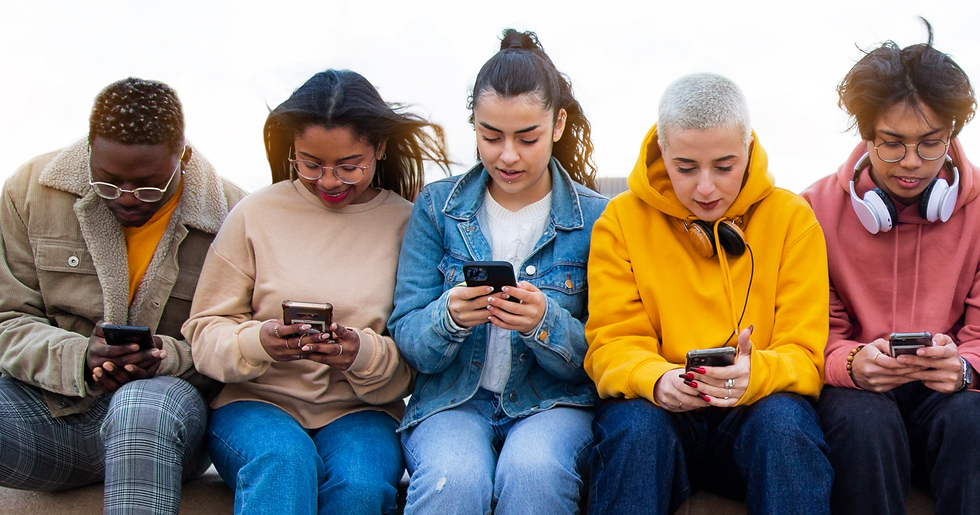
This raises a pressing question: What does it mean to be a digital citizen, and what rights and heritage are being created online?
As South Africa marks Heritage Day on September 24, it is not just traditional attire and celebratory braais that matter. Increasingly, our digital actions have become part of our shared legacy. We participate in democracy through casting ballots, tweets, hashtags, and online petitions.
A recent example was the social media movement against proposed amendments to the National Credit Act, which would have listed educational institutions as credit information originators. This meant student debt would appear on credit reports. More than 20,000 submissions flooded in, overwhelmingly opposed to the draft regulations. The response led the Minister of Trade, Industry and Competition, Parks Tau, to withdraw the proposal.
This kind of digital citizenship proves the growing influence of our online voices. A click, a share, or a repost now carries as much civic power as a ballot. On Heritage Day, as South Africa reflects on 31 years of democracy, this awareness must go deeper than cultural symbols. It is also about recognising the weight of our digital selves and our agency as active digital citizens.

The internet is also a space of contradictions. Alongside these positive moments lie dark currents of misinformation, xenophobia, and ignorance. These threats endanger society and South Africa’s collective digital legacy. The same powerful clicks that can change lives or shift policies can also cause harm when wielded without critical awareness.
At Futurelect, we recognise this duality. Our online civic education programmes are designed to empower citizens with the knowledge and tools to participate meaningfully in civic life. Through our learning app, we explore how democracy works, how citizens can influence governance, and how to build vibrant, engaged electorates in the digital age.
This Heritage Day, we wish South Africans joy in celebration and reflection. May you recognise the power behind your offline and online citizenship and use it to shape a future that honours our heritage while safeguarding our democracy.


